
Japanese snack containers are more than just vessels; they’re miniature works of art, reflecting a rich cultural heritage and sophisticated design sensibilities. From the vibrant hues of traditional patterns to the minimalist elegance of modern interpretations, these containers offer a captivating glimpse into Japanese aesthetics and craftsmanship. Their meticulous design often evokes a sense of calm and appreciation, perfectly complementing the experience of savoring a treat.
This exploration delves into the intricate details of Japanese snack container aesthetics, examining their visual elements, materials, cultural influences, and contemporary interpretations. The analysis encompasses a spectrum of factors, from the subtle nuances of color palettes to the historical context shaping their design. This comprehensive overview reveals the captivating interplay of tradition and innovation in these seemingly simple containers.
Defining the Aesthetic
The Japanese snack container aesthetic, a carefully crafted blend of form and function, reflects a deep-seated cultural appreciation for beauty and practicality. This aesthetic transcends mere packaging, embodying a philosophy of meticulous design and visual harmony. From vibrant colors to intricate patterns, each element contributes to a sensory experience that enhances the enjoyment of the contained treats.This aesthetic is not simply about packaging; it’s about crafting an experience.
The meticulous attention to detail in these containers speaks to a cultural value that prioritizes the presentation and enjoyment of food and everyday items. The visual appeal of the packaging is directly tied to the anticipation and pleasure derived from consuming the snack.
Visual Elements
The aesthetic is characterized by a harmonious interplay of colors, patterns, and shapes. Vibrant hues, often inspired by nature, are frequently employed, evoking feelings of joy and freshness. Intricate patterns, from delicate floral motifs to bold geometric designs, contribute to the visual richness and complexity. The shapes of the containers themselves often mirror traditional Japanese design principles, with rounded edges and flowing lines emphasizing a sense of elegance and sophistication.
Materials
Common materials employed in these containers include sturdy, lightweight plastics, often featuring glossy finishes. The use of high-quality paperboard, frequently adorned with intricate printing, is also prevalent. These materials not only contribute to the aesthetic appeal but also ensure the safety and preservation of the contents. Bamboo, while less common, occasionally appears, emphasizing a connection to natural resources and sustainable practices.
Cultural and Historical Influences
This aesthetic draws heavily from traditional Japanese aesthetics, particularly the concept of “侘び寂び” (wabi-sabi), which emphasizes the beauty of imperfection, transience, and natural simplicity. This philosophy is evident in the subtle use of muted colors and natural patterns that appear in many containers. The influence of Japanese art, such as woodblock prints and ceramics, is also noticeable in the intricate patterns and meticulous details found in the containers.
This historical lineage contributes to a sense of heritage and continuity.
Emotional Responses
The aesthetic evokes a range of positive emotions, often linked to the sensory experience it provides. The vibrant colors and intricate designs create a sense of joy and excitement, while the elegant shapes and high-quality materials evoke feelings of sophistication and appreciation. The connection to Japanese culture and tradition fosters a sense of nostalgia and familiarity, adding layers of meaning and emotion to the experience.
Container Types and Their Attributes
| Container Type | Material | Color Palette | Associated Emotions |
|---|---|---|---|
| Traditional Bento Box | Wood, lacquered wood, plastic | Earthy tones, reds, blues, greens | Nostalgia, tradition, order, care |
| Snack pouches | Plastic, paperboard | Bright, bold colors, seasonal motifs | Playfulness, anticipation, joy, excitement |
| Small, decorative boxes | Plastic, paperboard, lacquered wood | Pastel colors, floral patterns, gold accents | Elegance, sophistication, appreciation, delicacy |
| Candy tins | Tin, metal | Bright colors, patterns inspired by nature | Celebration, nostalgia, fun, sweetness |
Visual Elements and Trends
Japanese snack containers, a ubiquitous part of the country’s consumer landscape, showcase a fascinating interplay of tradition and modernity. Beyond their practical function, these containers communicate cultural nuances, regional identities, and evolving design sensibilities. The aesthetic reflects a meticulous attention to detail, often blending traditional motifs with contemporary design principles.The design choices are deeply rooted in Japanese aesthetics, emphasizing harmony, simplicity, and functionality.
The careful selection of colors, patterns, and shapes contributes to the overall experience of consuming the snacks, extending beyond the mere act of eating. This is a powerful tool for branding and marketing, particularly for local and regional snack producers.
Color Palettes
Japanese snack container designs often draw from a palette that evokes a sense of calm and natural beauty. Subdued earth tones, such as muted greens, browns, and beiges, are prevalent, reflecting the country’s appreciation for nature. However, brighter, more vibrant colors are also used strategically, often in complementary pairings, to highlight specific products or seasonal themes. The use of these colors is influenced by the broader cultural preference for visual harmony and balance.
Traditional and Modern Patterns
Traditional Japanese patterns, like “Nadeshiko” (a stylized carnation), “Kanji” characters, or “Washi” paper patterns, frequently grace snack containers. These motifs often embody significant cultural symbolism, evoking a sense of history and heritage. Modern interpretations of these patterns, often stylized or abstracted, also appear frequently. These modern interpretations often feature geometric designs or more abstract representations of traditional elements, reflecting the evolving tastes of younger generations while still maintaining a link to the past.
Regional Aesthetics
Regional variations in Japanese snack container design exist, reflecting the diverse culinary and cultural traditions of different areas. For instance, containers from the Kansai region might incorporate more pastel tones and floral motifs, while those from the Kanto region might utilize bolder colors and more geometric patterns. This regional variation is a key element in differentiating local products and catering to specific tastes within the broader Japanese market.
Minimalism and Functionality
Minimalism plays a crucial role in the design of Japanese snack containers. The emphasis on clean lines, simple shapes, and uncluttered aesthetics prioritizes the product itself, allowing its appeal to shine through. Functionality is also paramount; containers are designed to be easy to open, resealable, and often stackable for efficient storage. This reflects a Japanese cultural preference for practicality and efficiency.
Emerging Trends
Sustainability is an emerging trend, with an increasing emphasis on eco-friendly materials and packaging solutions. Containers made from recycled or biodegradable materials are gaining popularity, reflecting a growing consumer consciousness about environmental concerns. Moreover, there’s a rise in the use of transparent or semi-transparent materials to showcase the contents of the containers, enhancing their visual appeal. This demonstrates a growing demand for both aesthetic appeal and ethical considerations in product design.
Popular Colors, Patterns, and Connotations
| Color | Pattern | Cultural Connotation |
|---|---|---|
| Muted Greens | Nadeshiko | Nature, tranquility, femininity |
| Deep Browns | Kanji | History, tradition, wisdom |
| Vibrant Reds | Geometric | Energy, celebration, modernity |
Materials and Craftsmanship
Japanese snack containers, a vibrant sector of the food packaging industry, often prioritize aesthetics and functionality. The choice of materials and the execution of craftsmanship significantly contribute to the overall appeal and value proposition of these containers. The meticulous attention to detail in their creation reflects a deep-seated cultural appreciation for quality and artistry.The selection of materials and crafting techniques for these containers is not arbitrary.
They directly influence the containers’ durability, environmental impact, and ultimately, consumer perception. The materials chosen must be suitable for holding and preserving the snacks, while simultaneously conveying the desired aesthetic. The craftsmanship employed speaks volumes about the dedication and expertise of the artisans involved.
Common Materials
The most prevalent materials in crafting Japanese snack containers encompass a spectrum of options. Paper, often crafted into intricate designs, is a prominent choice, showcasing a blend of functionality and aesthetic appeal. Plastic, particularly in its various forms, provides durability and cost-effectiveness, while wood, especially for premium or artisanal items, adds an element of natural elegance. The selection of material is often dictated by the specific type of snack being packaged and the desired level of presentation.
Crafting Techniques
The artistry of these containers extends beyond the material itself. Intricate folding techniques, meticulous die-cutting, and specialized printing methods contribute to the aesthetic allure. The use of traditional Japanese printing techniques like woodblock printing or hand-painted designs further enhances the visual appeal, adding a touch of cultural heritage. In addition, specialized adhesives and coatings are often employed to ensure both the container’s structural integrity and its attractive appearance.
Craftsmanship’s Significance
Craftsmanship in the creation of these containers is not merely a technical aspect; it’s an integral component of the overall aesthetic. The meticulous attention to detail, the precision of execution, and the tangible artistry embedded in each container contribute to a sense of quality and value. This meticulousness is highly regarded by consumers, driving demand for these uniquely crafted items.
Sustainable and Eco-Friendly Materials
The growing awareness of environmental concerns has spurred the exploration of sustainable and eco-friendly alternatives. Recycled paper, biodegradable plastics, and bamboo are increasingly used in the production of these containers, reflecting a commitment to responsible manufacturing practices. The integration of these materials is not merely a trend; it’s a necessary evolution towards a more sustainable future. For instance, companies are increasingly using plant-based plastics derived from renewable resources, reducing reliance on petroleum-based plastics.
Material Characteristics
| Material | Characteristics |
|---|---|
| Paper | Aesthetically versatile, often lightweight, readily recyclable, and suitable for a range of snacks. |
| Plastic | Durable, cost-effective, and available in various forms (e.g., PET, PP), offering excellent shelf life for snacks, but can pose environmental concerns if not recycled properly. |
| Wood | Naturally elegant, durable, and often used for premium containers; however, sourcing sustainably can be critical. |
| Bamboo | Strong, naturally resistant to moisture, and biodegradable, offering a visually appealing and sustainable option. |
| Recycled Materials | Environmentally friendly, offering a cost-effective solution while reducing reliance on virgin materials. |
Cultural and Historical Context
Japanese snacking culture, deeply intertwined with the nation’s history and aesthetics, offers a unique lens through which to understand the country’s evolving values and artistic sensibilities. From the meticulous artistry of traditional tea ceremonies to the vibrant street food scenes, snacking plays a significant role in daily life and social interactions. This intricate cultural fabric significantly influences the design of snack containers, reflecting both practical needs and profound cultural nuances.The evolution of snack container design in Japan mirrors the nation’s historical journey, from simple, functional forms to increasingly sophisticated and decorative styles.
This progression reveals a dynamic interplay between practicality, artistry, and cultural values. This evolution highlights how design elements have been adapted to reflect changing social norms and aesthetic preferences.
Significance of Japanese Snacking Culture
Japanese snacking culture is more than just a means of satisfying hunger. It’s deeply embedded in social rituals, seasonal celebrations, and personal preferences. Snacking often accompanies leisure activities, providing a sensory experience beyond mere sustenance. The selection of snacks and the manner in which they are consumed often communicate social standing, cultural understanding, and personal tastes. The careful consideration of presentation, often expressed through container design, reinforces the significance of this cultural practice.
Historical Evolution of Snack Container Design
The design of snack containers in Japan has undergone significant transformations throughout the nation’s history. Early forms were likely rudimentary, focused primarily on function. As societal values and artistic movements evolved, container design became increasingly sophisticated, incorporating decorative elements and materials reflective of the period. This evolution reflects the interplay between technological advancements, artistic trends, and societal expectations.
Traditional Japanese Aesthetics Influencing Design
Traditional Japanese aesthetics, such as wabi-sabi, minimalism, and the appreciation of natural elements, profoundly influence snack container design. Wabi-sabi’s embrace of imperfection and the beauty of natural materials, for instance, is frequently incorporated into modern designs. Minimalist designs emphasize clean lines and unadorned forms, echoing a preference for understated elegance. The meticulous attention to detail in traditional crafts like lacquerware and ceramics often inspires contemporary container designs.
Role of Seasonal Elements in Container Design
Seasonal elements play a pivotal role in shaping the aesthetics of Japanese snack containers. Designs often incorporate motifs and colors associated with particular seasons, reflecting the nation’s deep connection to nature’s rhythms. Cherry blossoms in spring, vibrant autumn leaves, or the simplicity of winter landscapes are frequently depicted on containers, adding a layer of cultural and aesthetic significance.
This connection to the natural world is a core element of Japanese aesthetics.
Role of Gift-Giving Customs in Shaping the Aesthetic
Gift-giving customs in Japan heavily influence the aesthetic of snack containers. The presentation of gifts is as important as the gift itself. Containers are often meticulously chosen to convey respect, thoughtfulness, and appreciation to the recipient. This emphasis on presentation elevates the importance of the container’s design and functionality. The careful selection of materials, patterns, and colors reflects the social dynamics and cultural significance of the gift-giving ritual.
Table: Evolution of Snack Container Design
| Era | Key Design Features | Cultural Context | Social Implications |
|---|---|---|---|
| Pre-Meiji (Pre-1868) | Simple, functional containers made from readily available materials like wood and bamboo. | Emphasis on practicality and resourcefulness. | Snacking was primarily a personal activity, with little emphasis on elaborate presentation. |
| Meiji (1868-1912) | Introduction of new materials and techniques, including lacquerware. | Rise of modernization and Western influences. | Snacking began to be associated with social gatherings and interactions. |
| Showa (1926-1989) | Rise of mass-produced containers, with designs reflecting popular trends. | Economic growth and increased consumerism. | Snacking became more accessible to a wider range of people. |
| Heisei (1989-2019) | Emphasis on minimalist designs, sustainable materials, and unique aesthetics. | Growing awareness of environmental concerns and a focus on unique design. | Snacking containers reflected a desire for personalized and environmentally conscious choices. |
Contemporary Interpretations
Japanese snack containers, steeped in tradition, are undergoing a vibrant transformation in modern design. Contemporary designers are not merely replicating historical forms but are actively reimagining them, blending traditional aesthetics with innovative materials and techniques. This evolution reflects a dynamic interplay between heritage and modernity, producing containers that resonate with contemporary sensibilities while honoring the rich history of Japanese craftsmanship.Modern interpretations of Japanese snack containers often emphasize minimalist aesthetics and functionality, while maintaining a sense of refined elegance.
These designs often draw inspiration from traditional motifs and techniques, but with a contemporary twist. The use of innovative materials and manufacturing methods contributes to a fresh perspective on the familiar, creating designs that are both visually appealing and practical.
Adapting Traditional Elements
Contemporary designers are subtly reworking traditional motifs and techniques. Instead of directly copying historical designs, they extract key elements—like the use of natural materials, the emphasis on symmetry, and the evocative imagery of nature—and incorporate them into fresh, modern compositions. This approach avoids a mere replication of the past and creates designs that speak to a contemporary audience. For instance, a container might incorporate the stylized bamboo leaf pattern from traditional designs, but use a matte lacquer finish and a more streamlined shape, rather than a highly ornamented one.
Innovative Materials and Techniques
The use of innovative materials and techniques is a hallmark of contemporary designs. Modern designers are exploring a wide range of materials, including high-quality plastics with intricate textures, translucent polymers that showcase the contents, and even sustainable alternatives like recycled paper with unique finishes. Advanced printing techniques, like UV printing, allow for intricate patterns and vibrant colors to be applied directly to the containers, adding a layer of visual interest and depth.
Technology and Digital Elements
Technology is also playing a crucial role in contemporary snack container designs. Some designs incorporate interactive elements, such as touchscreens that display information about the snacks or customizable LED lighting that changes color based on the contents. Furthermore, digital printing allows for dynamic designs, where the pattern or image changes based on the angle of view, adding a touch of modern artistry.
Comparison of Traditional and Contemporary Designs
| Key Features | Traditional Designs | Contemporary Designs |
|---|---|---|
| Form | Often organic, with flowing lines and natural shapes, emphasizing practicality. | May incorporate geometric shapes, sleek lines, and modern silhouettes, while maintaining a sense of elegance. |
| Materials | Lacquer, wood, bamboo, ceramic, and natural fibers. | High-quality plastics, recycled materials, translucent polymers, and innovative combinations of traditional and modern materials. |
| Aesthetics | Intricate patterns, often inspired by nature, with an emphasis on craftsmanship and visual storytelling. | Minimalist designs, with a focus on clean lines, vibrant colors, and the use of technology to create dynamic visual experiences. |
| Function | Prioritizing practical use and preservation of the snack’s freshness. | Balancing functionality with aesthetics and the incorporation of technology to enhance the user experience. |
Functionality and Practicality
Japanese snack containers, deeply intertwined with the nation’s cultural fabric, transcend mere packaging. Their design embodies a meticulous consideration for functionality, reflecting a practical approach to food consumption and storage. This practicality extends beyond the immediate use, subtly incorporating historical and contemporary sensibilities.The containers’ design prioritizes portability and ease of use. This prioritization is not arbitrary; it stems from the Japanese lifestyle, often characterized by compact living spaces and on-the-go activities.
The sleek lines and lightweight materials often found in these containers directly support this functionality.
Portability and Storage
The design of these containers often incorporates intuitive closure mechanisms, enabling secure storage and easy transportation. This emphasis on portability is particularly crucial for snacks intended for consumption outside the home, such as during travel, picnics, or at work. The containers’ lightweight design, coupled with their ergonomic shapes, contributes to a comfortable carrying experience. Materials like lightweight plastics, bamboo, or even paper, often play a significant role in maintaining the containers’ portability and minimizing the environmental impact.
Sizes and Shapes
Snack container sizes and shapes are meticulously tailored to accommodate different snack types and portion sizes. Small, individual containers are ideal for single-serving snacks, while larger containers are suitable for group sharing or storing larger quantities. The variety in shapes, from rectangular to cylindrical, caters to different snack characteristics and storage needs. For instance, rectangular containers might be favored for crackers or biscuits, while cylindrical containers are more suited to cylindrical snacks.
Furthermore, the containers often incorporate compartments or dividers, which allow for organized storage and presentation of multiple snacks.
Presentation and Display
The containers are not merely functional; they often serve as a form of presentation. Clear, transparent materials allow consumers to visually appreciate the contents within. The color palettes, often inspired by nature or traditional Japanese aesthetics, add a layer of visual appeal. The thoughtful arrangement of snacks within the container, particularly for sharing or gifting, contributes to the overall presentation, emphasizing the artistry of the packaging.
The containers’ sleek and minimalist design, often reminiscent of Japanese aesthetic principles, adds to their visual appeal.
Influence of Practicality on Design Choices
The emphasis on practicality directly shapes the design choices of these containers. Materials selection is driven by factors such as durability, ease of cleaning, and lightweight qualities. This consideration for practicality also extends to the closure mechanisms, which must be secure but also simple to operate, reflecting the Japanese appreciation for user-friendly designs. Furthermore, the design prioritizes minimal excess, ensuring that every element serves a functional purpose.
The containers often minimize wasted space and maximize efficiency in storage.
Marketing and Branding
Japanese snack containers, with their intricate designs and cultural nuances, require strong branding to resonate with consumers. Effective branding elevates the product beyond mere sustenance, transforming it into a cultural experience. The aesthetic, carefully crafted and communicated, becomes a key differentiator in a crowded market, forging emotional connections and driving sales.
The Role of Branding in Packaging
Packaging design is not merely functional; it is a crucial element of a brand’s identity. A well-designed container can communicate a brand’s personality, values, and target audience effectively. This extends beyond the visual elements to encompass the material, craftsmanship, and overall experience. For instance, a premium container crafted from high-quality materials might convey a sense of luxury and sophistication, appealing to a discerning clientele.
Examples of Successful Branding Strategies
Several Japanese snack brands have successfully leveraged packaging to build strong brand identities. Companies like Pocky, with its iconic stick-shaped wafers and vibrant packaging, have created a recognizable and instantly appealing brand image. Similarly, popular brands often incorporate cultural motifs, historical references, or seasonal elements into their designs, reinforcing their connection to Japanese heritage and fostering a sense of community among consumers.
The Importance of Packaging in Promoting a Brand Image
The packaging acts as a silent ambassador for the brand, conveying its message and values to consumers before they even interact with the product itself. The visual language of the packaging, encompassing colors, fonts, imagery, and overall design, must be cohesive with the brand’s core identity and values. A consistent and recognizable brand aesthetic builds trust and loyalty over time, making the brand more memorable and desirable.
How Marketing Campaigns Use the Aesthetic to Target Specific Audiences
Marketing campaigns often use the aesthetic of Japanese snack containers to target specific demographic groups. For instance, a container featuring a traditional Japanese design might appeal to consumers interested in cultural heritage, while a container with a modern, minimalist design might attract younger, trend-conscious consumers. Furthermore, companies often tailor their messaging and promotional activities to align with the specific aesthetic of the packaging, creating a unified and targeted approach.
Table: Brand, Marketing Strategies, and Target Audience
| Brand | Marketing Strategies | Target Audience |
|---|---|---|
| Pocky | Extensive use of vibrant colors and playful imagery on packaging, emphasizing the fun and social aspects of sharing the snack. Strong social media presence with engaging content. | Families, young adults, and social groups seeking a fun and shareable snack. |
| KitKat (Japanese Edition) | Collaborations with popular Japanese artists and influencers to create unique packaging designs. Highlighting cultural relevance through collaborations with anime or manga. | Younger adults, anime/manga fans, and consumers interested in unique and trendy products. |
| Calbee Potato Chips | Seasonal packaging designs that reflect Japanese festivals and holidays. Highlighting the snack’s connection to Japanese tradition. | Consumers interested in seasonal products and Japanese cultural events, potentially appealing to a wider demographic. |
Inspiration and Influence
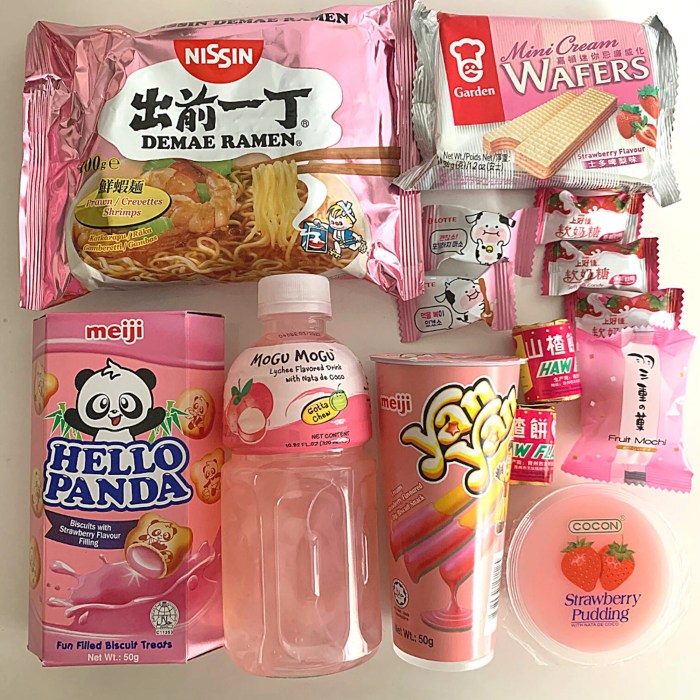
Japanese snack containers, reflecting a meticulous aesthetic, draw inspiration from a rich tapestry of cultural influences. Their design embodies a blend of traditional Japanese artistry and modern sensibilities, resulting in containers that are both functional and visually appealing. This unique fusion creates a distinct design identity that resonates with consumers globally.The aesthetic, encompassing intricate details and mindful craftsmanship, transcends the simple function of holding snacks.
It embodies a deeper connection to Japanese culture, reflecting its emphasis on aesthetics and the meticulous attention to detail present in various aspects of Japanese life, from architecture to everyday objects.
Sources of Inspiration
Traditional Japanese design principles, like minimalism and the appreciation for natural forms, deeply influence the aesthetic. This is evident in the use of natural materials like bamboo and wood, often seen in subtle patterns or textures. The concept of “wabi-sabi,” emphasizing the beauty of imperfection and impermanence, also contributes to the overall design philosophy.
Other Design Styles
The snack container aesthetic draws upon elements from other design styles, including mid-century modern, which is reflected in the clean lines and often geometric shapes. Scandinavian design, renowned for its simplicity and functionality, provides further inspiration. The understated elegance and emphasis on quality materials often seen in Scandinavian design echo in the Japanese aesthetic.
Cultural Influences
Beyond Japan, influences from other cultures are discernible in the snack containers. The emphasis on color palettes often draws inspiration from nature, reflecting the rich hues of Japanese landscapes. The use of vibrant colors, while retaining a calm and harmonious tone, showcases a deliberate interplay between tradition and modernity.
Influence on Other Fields
The refined aesthetics of these snack containers have demonstrably influenced other design disciplines. The focus on craftsmanship and materials has inspired contemporary packaging design, fostering a trend towards visually appealing yet practical products. The delicate balance between functionality and aesthetics is mirrored in the broader field of product design, leading to innovative and visually engaging solutions across various industries.
“The aesthetic of these snack containers reflects a fusion of traditional Japanese artistry with modern sensibilities, creating a unique design identity that resonates with consumers worldwide.”
Sustainability and Environmental Impact
Japanese snack containers, with their intricate designs and often limited lifespans, face a crucial sustainability challenge. The choice of materials, manufacturing processes, and even the design itself significantly impact the environmental footprint. Addressing these issues is not merely a trend but a necessity to maintain the appeal and long-term viability of this sector.
Environmental Impact of Materials
The selection of materials plays a critical role in the environmental footprint of snack containers. Different materials have varying degrees of impact across the lifecycle, from extraction and processing to manufacturing, use, and eventual disposal. The sustainability of a material depends on its source, the energy required for production, and its recyclability.
- Paper-based materials: While often perceived as eco-friendly, the sourcing of paper, the manufacturing process, and the potential for contamination during recycling can significantly impact the overall environmental impact. For example, using recycled paper and ensuring proper recycling infrastructure are crucial considerations. The type of paper (e.g., coated, uncoated, bleached) also influences its environmental impact.
- Plastics: Petroleum-based plastics, common in many snack containers, present a significant environmental concern due to their non-biodegradability and contribution to plastic pollution. The use of recycled plastics, bioplastics, or alternatives like compostable materials can mitigate this impact. The specific type of plastic (e.g., PET, PP, PVC) and the production process matter greatly.
- Metal: Metal containers, often seen as durable and recyclable, can have an environmental impact tied to the mining and processing of the raw materials. The energy consumption in refining and shaping the metal is a factor. However, metal’s recyclability significantly reduces its overall environmental impact.
- Bamboo or wood: Natural materials like bamboo and wood offer a more sustainable alternative to plastic or paper. However, proper sourcing and manufacturing practices are critical to minimize the environmental impact, ensuring sustainable forestry practices and minimizing deforestation.
Sustainable Practices in Container Design
Integrating sustainable practices into snack container design goes beyond material selection. It encompasses the entire lifecycle, from design to disposal. Designing for recyclability, reusability, and minimal waste is crucial.
- Minimalist design: Reducing unnecessary features and components can minimize material usage, which directly lowers the environmental footprint. Using a single, efficient material or design can lower costs and waste.
- Design for recyclability: Ensuring snack containers are easily separated and processed for recycling is critical. Clear labeling and compatible material compositions are important aspects of design for recyclability.
- Design for reusability: Designing containers that can be reused or repurposed for other purposes is an excellent way to extend their lifespan and reduce waste. For example, designing snack containers that can be used as storage containers.
- Reducing packaging: Optimizing packaging sizes to minimize material usage and ensure efficient use of space reduces the overall environmental impact.
Options for Reducing the Environmental Footprint
Numerous options exist to reduce the environmental footprint of snack containers. These strategies focus on material selection, design, and responsible manufacturing.
- Employing biodegradable or compostable materials: The use of bioplastics, bamboo, or other compostable materials can offer a more sustainable alternative to traditional plastics. However, the complete biodegradability and composting conditions must be considered.
- Promoting circular economy principles: Designing containers with recyclability and reusability in mind promotes a circular economy, reducing waste and maximizing material reuse.
- Using recycled materials: Incorporating recycled materials into the manufacturing process is a practical way to lower the environmental impact. For example, recycled plastic or paper.
- Optimizing manufacturing processes: Improving manufacturing processes to reduce energy consumption and waste can significantly decrease the environmental impact of the entire production cycle.
Examples of Eco-Friendly Materials and Design Approaches
Innovative approaches and materials are emerging in the snack container market. Examples include using recycled materials, bioplastics, and innovative designs that prioritize sustainability.
| Material | Environmental Impact |
|---|---|
| Recycled Plastic | Reduced reliance on virgin resources, lowers waste, but quality and availability may vary. |
| Bioplastics | Derived from renewable sources, but the full biodegradability and impact on the environment need assessment. |
| Bamboo | Renewable resource, but transportation and processing can impact the overall footprint. |
| Paper (Recycled) | Lower carbon footprint compared to virgin paper, but proper recycling infrastructure is needed. |
Visual Storytelling
Japanese snack containers, beyond their practical function, are potent vehicles for visual storytelling. Their designs often evoke specific emotions, memories, and cultural narratives, making the act of consuming a snack more than just a simple act of nourishment. This visual language, crafted through meticulous attention to detail, shapes the consumer experience and contributes to the broader appeal of these products.
Examples of Narrative Through Design
Japanese snack containers frequently use imagery and symbolism to communicate narratives. A container depicting a traditional Japanese landscape, for instance, instantly connects the snack to a sense of place and heritage. Similarly, the use of stylized characters or animals can evoke a playful or nostalgic mood, depending on the specific design. These visual cues act as a form of shorthand, quickly conveying a specific message or emotional response to the consumer.
Symbolism and Imagery in Narrative
The selection of symbols and imagery is crucial in conveying narratives within snack container design. A recurring motif of cherry blossoms, for example, immediately suggests springtime, renewal, and the beauty of nature. Likewise, a stylized depiction of a samurai warrior might allude to strength, courage, or a connection to Japanese history. The choice of imagery is carefully curated to evoke a specific response in the consumer, linking the snack to a broader cultural or emotional context.
Color and Texture in Storytelling
Color and texture play a significant role in crafting narratives within snack container designs. The use of vibrant, bold colors can create a sense of energy and excitement, while muted tones can evoke a more tranquil or sophisticated mood. The texture of the material itself – whether smooth, rough, or metallic – further enhances the visual story. For example, a matte finish might suggest a premium or handcrafted quality, while a glossy finish can appear more playful or modern.
Examples of Designs Evoking Emotions or Memories
Numerous examples showcase how container designs can evoke specific emotions or memories. A container shaped like a traditional Japanese house might trigger a feeling of warmth and nostalgia for a family gathering, while a container featuring a beloved anime character could spark feelings of joy and connection for a particular generation. These evocative designs successfully link the snack to personal experiences, making the product more meaningful and memorable.
Visual Element, Narrative, and Emotional Response
| Visual Element | Narrative | Emotional Response |
|---|---|---|
| Container shaped like a traditional tea house | Connection to Japanese tea ceremony, serenity, tranquility | Peacefulness, calm, relaxation |
| Container featuring a stylized depiction of a geisha | Connection to Japanese culture, elegance, sophistication | Awe, admiration, appreciation |
| Container with vibrant colors and bold patterns | Celebration, joy, festivity | Excitement, energy, happiness |
| Container featuring a traditional Japanese landscape | Connection to nature, heritage, history | Nostalgia, serenity, appreciation of beauty |
End of Discussion
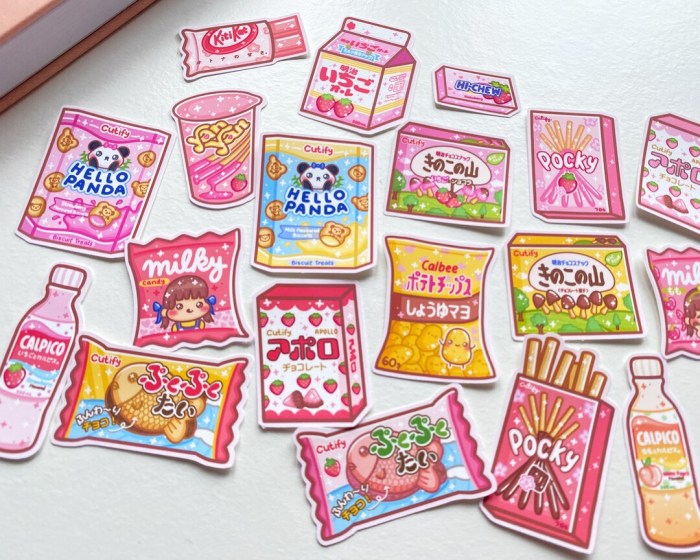
In conclusion, Japanese snack containers represent a captivating fusion of tradition, functionality, and artistry. Their design speaks volumes about Japanese aesthetics, from the meticulous craftsmanship to the careful consideration of cultural context. The containers serve not only to hold snacks but also to tell stories through visual storytelling, using colors, patterns, and symbols to evoke specific emotions. This aesthetic, rich in history and evolving with modern interpretations, continues to captivate and inspire.
