
In the high-stakes world of surgery, where precision and sterility are paramount, a seemingly simple piece of attire plays a critical, often underestimated role: the surgical cap. Beyond its utilitarian function, the surgical cap is a cornerstone of infection control, a barrier safeguarding both patients and surgical teams from the unseen dangers of the operating room. From the materials that comprise them to the designs that define them, surgical caps are a testament to the meticulous attention to detail that characterizes modern surgical practice.
This comprehensive exploration delves into the multifaceted world of surgical caps, examining their fundamental functions, the materials that shape them, and the evolution of their design. We’ll uncover the crucial role these caps play in maintaining a sterile field, preventing surgical site infections, and ensuring the comfort and well-being of surgical staff. Moreover, we’ll navigate the economic considerations surrounding their procurement and maintenance, as well as the sustainable practices shaping their future.
Surgical Caps: Essential Functions in the Operating Room
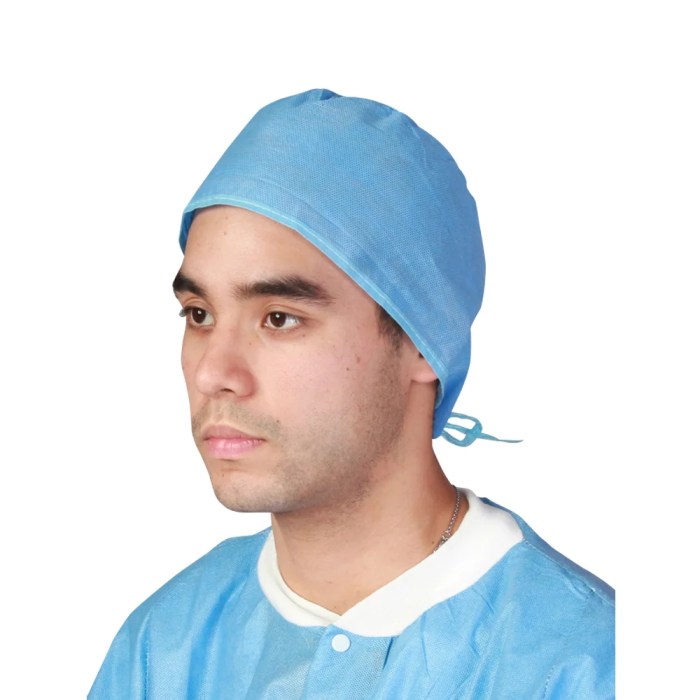
Surgical caps are fundamental components of operating room attire, serving crucial roles in maintaining a sterile environment and safeguarding both patients and surgical teams. These simple yet essential items are designed to minimize the risk of infection during surgical procedures. Their effectiveness stems from their ability to contain and prevent the spread of microorganisms.
Maintaining a Sterile Field
Surgical caps are vital in establishing and maintaining a sterile field. This is the foundation of preventing surgical site infections (SSIs), a significant concern in healthcare. Caps act as a physical barrier, preventing hair, dander, and other potential contaminants from entering the sterile environment. Hair, in particular, can harbor bacteria and shed continuously. Surgical caps effectively contain this potential source of contamination, thereby reducing the risk of microbial transfer.
The design of surgical caps typically includes features that enhance their effectiveness. Materials are often selected for their ability to trap particles and resist penetration by fluids. The fit is also important; caps should completely enclose the hair and conform to the head shape to provide comprehensive coverage. This meticulous approach to design ensures that the cap functions as a reliable barrier against contamination. The proper use of surgical caps, along with other sterile practices, is a cornerstone of infection control protocols in operating rooms worldwide.
Contributions to Patient Safety
Surgical caps play a multifaceted role in enhancing patient safety during surgical procedures. Their contributions extend beyond the containment of hair and dander. They also contribute to a cleaner and safer operating environment.
- Preventing Airborne Contamination: Surgical caps significantly reduce the shedding of skin cells and hair, which can carry bacteria and other microorganisms into the air. This airborne contamination is a major route for the spread of infection.
- Reducing Surgical Site Infections (SSIs): By minimizing the entry of contaminants into the surgical field, surgical caps help lower the incidence of SSIs, a leading cause of post-operative complications and extended hospital stays.
- Enhancing the Sterile Environment: Caps contribute to the overall sterility of the operating room, creating a safer environment for both the surgical team and the patient. This helps maintain the integrity of the surgical procedure.
- Protecting the Surgical Team: Caps protect surgical team members from potential exposure to the patient’s bodily fluids, creating a safer environment for them as well.
- Promoting Adherence to Infection Control Protocols: The use of surgical caps is a fundamental element of standardized infection control practices. Consistent use reinforces the importance of these protocols throughout the surgical team.
Preventing the Spread of Microorganisms
The effectiveness of surgical caps in preventing the spread of microorganisms is directly related to their design and the materials used in their construction. Caps are typically made from materials that are designed to trap particles, such as hair and skin cells, which can carry bacteria and other pathogens. The material’s density and weave are often chosen to minimize the passage of these contaminants.
Consider a scenario where a surgical team is performing a complex orthopedic procedure. Without surgical caps, loose hairs from the team could fall into the open surgical site. These hairs can carry Staphylococcus aureus, a common bacterium that can cause severe infections. If this bacterium enters the wound, it can lead to an SSI, potentially requiring additional surgeries, prolonged antibiotic treatment, and increased patient suffering. The surgical cap acts as the first line of defense, containing the hair and preventing the spread of the bacteria. Similarly, the cap also contains any shedding skin cells that may carry bacteria or viruses. This containment strategy helps reduce the risk of surgical site infections and improves patient outcomes.
Elaborate on the different materials commonly used in the manufacture of surgical caps and their respective advantages.
The selection of material for surgical caps significantly impacts their effectiveness in the operating room. Materials must balance comfort, protection, durability, and cost-effectiveness. Understanding the properties of different fabrics allows for informed choices that prioritize both patient and healthcare worker safety. The primary materials employed are cotton, polyester, and blends, each with distinct advantages and disadvantages.
Cotton, Polyester, and Blends: Pros and Cons
Cotton, a natural fiber, offers inherent comfort and breathability. Its absorbency is a key benefit, readily soaking up sweat and other fluids. However, cotton’s absorbency can also be a drawback.
- Pros of Cotton: Cotton is soft, comfortable, and breathable, promoting airflow and reducing heat buildup during prolonged procedures. It is also relatively inexpensive and readily available.
- Cons of Cotton: Cotton is prone to wrinkling, requiring frequent ironing. Its absorbency can lead to saturation, potentially compromising the barrier against contaminants. Cotton is less durable than synthetic alternatives and may shrink after washing.
Polyester, a synthetic fiber, presents a contrasting set of characteristics. It is known for its durability and resistance to wrinkles and fading.
- Pros of Polyester: Polyester is exceptionally durable, resistant to wear and tear, and maintains its shape well. It is also hydrophobic, repelling fluids and providing a degree of protection against spills. Furthermore, it dries quickly.
- Cons of Polyester: Polyester is less breathable than cotton, which can lead to increased heat retention and discomfort. It is also less absorbent, which can be problematic in situations where significant fluid exposure is anticipated.
Blends, which combine cotton and polyester, attempt to harness the benefits of both materials. These blends are often designed to balance breathability, durability, and cost.
- Pros of Blends: Blends offer a compromise between comfort and durability. They typically provide better wrinkle resistance and faster drying times than pure cotton while retaining some level of breathability.
- Cons of Blends: The performance of a blend depends heavily on the ratio of cotton to polyester. Blends may not offer the same level of comfort as pure cotton or the same fluid resistance as pure polyester.
The optimal choice depends on the specific requirements of the surgical setting. For example, a setting with high fluid exposure might favor polyester or a polyester blend, while a setting prioritizing comfort might opt for cotton or a blend with a higher cotton content.
Material Comparison: Breathability, Durability, and Cost-Effectiveness
The following table compares the key characteristics of cotton, polyester, and blends:
| Material | Breathability | Durability | Cost-Effectiveness |
|---|---|---|---|
| Cotton | High | Moderate | Moderate |
| Polyester | Low | High | Moderate |
| Blends (e.g., 65/35 poly-cotton) | Moderate | Moderate to High | Moderate |
Emerging Materials in Surgical Cap Production
Innovation in materials science offers promising advancements in surgical cap design. Several emerging materials hold potential benefits, aiming to enhance protection, comfort, and sustainability.
One notable area of development is the use of antimicrobial fabrics. These fabrics are treated with agents, such as silver nanoparticles or copper ions, that inhibit the growth of bacteria and other microorganisms. This can reduce the risk of contamination and infection, providing an added layer of protection for both the surgical team and the patient. Examples of these materials are beginning to appear in various medical textiles, reflecting a growing focus on infection control.
Another area of innovation involves the use of moisture-wicking and quick-drying materials. These materials are designed to draw moisture away from the skin, enhancing comfort and reducing the risk of heat buildup during long procedures. These fabrics often utilize advanced fiber structures that promote airflow and rapid evaporation. This is particularly beneficial in hot operating rooms.
Furthermore, there is increasing interest in sustainable materials. Research is being conducted on the use of recycled polyester and other eco-friendly fabrics. This shift reflects a growing awareness of the environmental impact of medical textiles and a desire to reduce waste. For example, some companies are already offering surgical caps made from recycled plastic bottles, demonstrating the feasibility of sustainable options.
Surgical Cap Styles and Designs
Surgical caps, beyond their fundamental role in maintaining a sterile operating environment, come in a variety of styles and designs, each tailored to specific needs and preferences within the surgical team. These variations reflect the diverse demands of different procedures and the evolution of surgical practices. Understanding these styles is crucial for ensuring both the safety of the patient and the comfort and efficiency of the surgical staff.
Common Surgical Cap Styles
Several common cap styles are prevalent in operating rooms worldwide, each with distinct features that make them suitable for particular surgical scenarios. The choice often depends on the type of surgery, the surgeon’s preference, and the overall sterile protocol of the facility.
* Bouffant Caps: These caps, resembling a shower cap, are characterized by their ample volume, designed to fully enclose all hair, including long hair or elaborate hairstyles. They are particularly favored in procedures where extensive head and hair coverage is essential to minimize the risk of contamination. Their design provides a high degree of containment, making them a standard choice in many operating rooms.
* Skull Caps: Skull caps, also known as surgical skull caps, offer a more streamlined fit, covering the hair while leaving the ears exposed. They are often preferred for shorter hair and offer a balance between coverage and comfort. Surgeons may opt for skull caps during procedures where unrestricted ear access is beneficial, such as certain ear, nose, and throat (ENT) surgeries.
* Pixie Caps: Pixie caps, a variation of the skull cap, typically feature a closer fit around the head and often include a gathered elastic band at the back for a secure fit. These are frequently chosen for their snugness and ease of wear. They provide adequate hair coverage while remaining relatively unobtrusive, suitable for a wide range of surgical specialities.
Specialized Surgical Cap Designs
Beyond the standard styles, several specialized surgical cap designs cater to specific surgical needs and advancements in technology. These designs often incorporate features aimed at enhancing comfort, functionality, or the overall sterile environment.
* Caps with Built-in Visors: These caps incorporate a visor or brim, offering enhanced protection from overhead lighting and preventing sweat or fluids from dripping into the eyes. This feature is especially beneficial during lengthy or demanding procedures where sustained visual focus is critical. These visors are generally made from transparent, sterilizable materials.
* Caps with Integrated Hoods: Some surgical caps integrate a hood that extends to cover the neck and shoulders. This design provides increased coverage, reducing the risk of contamination from the surgical team’s hair or skin. These caps are often used in high-risk procedures or in operating rooms where stringent sterile protocols are in place.
* Caps with Moisture-Wicking Fabrics: Recognizing the importance of comfort and hygiene, some caps are manufactured from advanced fabrics designed to wick away moisture and enhance breathability. This helps to reduce discomfort and minimizes the potential for microbial growth. These caps are particularly appreciated during prolonged surgeries in warm environments.
Factors Influencing Cap Style Choice
The selection of a surgical cap style is a nuanced decision, influenced by several factors that prioritize both surgical performance and team well-being. A thoughtful approach to cap selection can enhance surgical outcomes and the overall operating room experience.
* Surgical Team Preferences: Individual preferences play a significant role. Some surgeons and staff members may prefer a particular style based on comfort, fit, and perceived ease of use. Hospitals often provide a variety of options to accommodate these preferences, promoting staff satisfaction and adherence to sterile protocols.
* Procedural Requirements: The nature of the surgical procedure is a key determinant. High-risk surgeries or those involving significant fluid exposure may necessitate caps with enhanced coverage and moisture-resistant features. Conversely, shorter procedures may allow for the use of more streamlined cap styles.
* Hospital Protocols: Healthcare facilities often have established protocols and guidelines for surgical attire, including cap styles. These protocols are designed to ensure consistency in infection control practices and maintain a standardized approach to surgical procedures. Compliance with these protocols is crucial for maintaining a safe and sterile operating environment.
Investigate the significance of proper fit and sizing when selecting surgical caps.
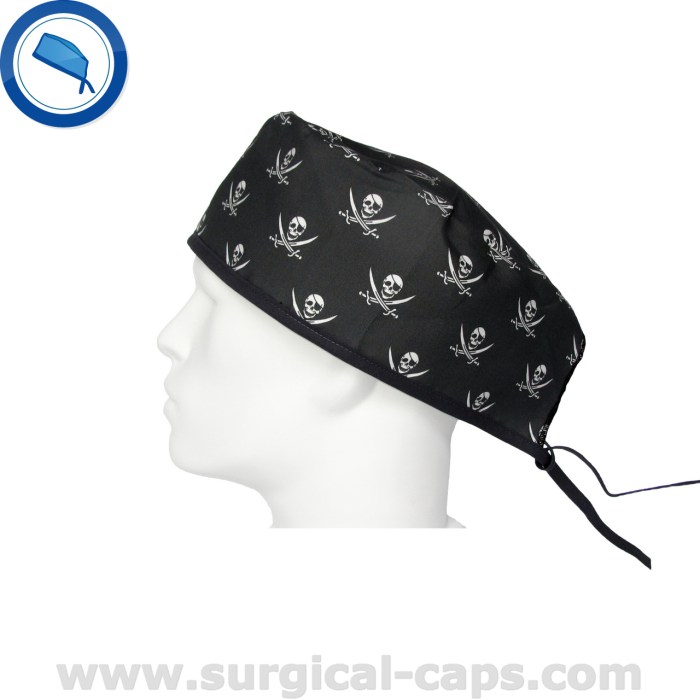
Choosing the right surgical cap size is not merely a matter of comfort; it’s a critical element in maintaining the integrity of the operating room environment and protecting both the surgical team and the patient. A well-fitted cap ensures complete coverage of the hair, minimizing the risk of contamination and upholding the standards of aseptic technique. This section delves into the importance of proper fit, the potential hazards of ill-fitting caps, and provides a practical guide to accurate head measurement.
Importance of Choosing the Correct Cap Size
Selecting the correct surgical cap size is essential for ensuring both comfort and effective coverage during surgical procedures. A cap that is too small can be constricting, leading to discomfort and potentially distracting the wearer. Conversely, a cap that is too large may not adequately cover all of the hair, posing a risk of contamination. The goal is to find a cap that fits snugly but comfortably, providing a secure barrier against potential contaminants.
The ideal surgical cap fit is a balance of these factors. It needs to provide a complete seal around the hairline, preventing hair from escaping and potentially contaminating the sterile field. It also needs to be comfortable enough to be worn for extended periods without causing headaches or other discomfort. Different cap styles accommodate various hair lengths and volumes, so it’s essential to consider these factors when selecting the appropriate size. The fit also impacts the overall effectiveness of the cap’s protective function.
Potential Risks Associated with Improperly Fitted Caps
Improperly fitted surgical caps can introduce several risks into the operating room, compromising the sterile environment and potentially endangering patients. These risks underscore the importance of meticulous attention to detail when selecting and using surgical attire.
- Hair Exposure: The most significant risk is hair exposure. Even a small amount of hair can carry bacteria and other microorganisms. If hair escapes the cap, it can fall into the sterile field, potentially contaminating surgical instruments, the surgical site, and the patient. This can lead to post-operative infections, which can have serious consequences for patient recovery.
- Compromised Sterility: A cap that does not fit snugly may allow skin cells, sweat, and other debris to escape, potentially contaminating the sterile field. This breaches the barrier created by the surgical cap, increasing the risk of infection.
- Discomfort and Distraction: Caps that are too tight can cause headaches, scalp irritation, and general discomfort. Loose caps can shift during procedures, requiring constant adjustment and distracting the surgical team from their tasks. This can compromise the efficiency and focus of the surgical team.
- Increased Risk of Cross-Contamination: If a cap is too loose, it may be more likely to come into contact with non-sterile surfaces, such as the surgeon’s forehead or neck, and then be brought back into the sterile field, potentially leading to cross-contamination.
Demonstration of Accurate Head Circumference Measurement
Accurate head circumference measurement is the cornerstone of selecting the correct surgical cap size. This ensures the cap provides adequate coverage and a comfortable fit. The following step-by-step guide details how to measure head circumference effectively.
- Gather Your Materials: You will need a flexible measuring tape and a mirror. A soft measuring tape, such as those used in tailoring, is ideal.
- Position the Measuring Tape: Place the measuring tape around your head, ensuring it encircles the broadest part. This is usually just above the eyebrows and around the back of the head, where the head is largest.
- Ensure Proper Placement: The measuring tape should be level and snug, but not too tight. It should sit just above the ears. The tape should not compress the hair excessively.
- Take the Measurement: Look in the mirror to ensure the tape is level all the way around. Note the measurement in inches or centimeters.
- Consider Hair Volume: If you have a lot of hair, or wear hairstyles that add significant bulk to your head circumference, consider measuring with your hair styled as it would be during surgery.
- Compare to Size Charts: Consult the manufacturer’s sizing chart for the specific type of surgical cap you are purchasing. Sizes can vary between manufacturers. Use your measurement to select the appropriate size. For example, if your measurement is 23 inches, and the cap size chart recommends a size large for 22-24 inches, choose a large.
Compare the different sterilization methods utilized for surgical caps, focusing on their effectiveness.
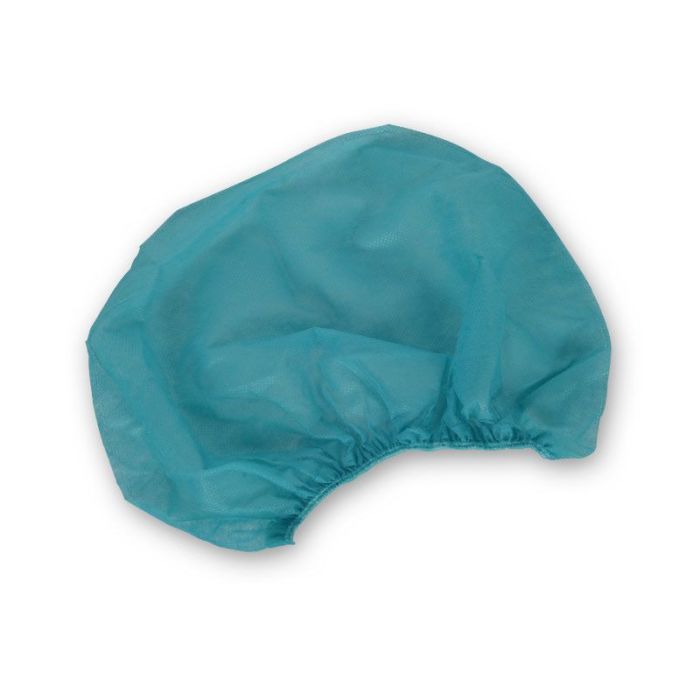
Surgical caps, critical for maintaining a sterile operating environment, undergo rigorous sterilization processes to eliminate microorganisms and prevent surgical site infections (SSIs). The choice of sterilization method significantly impacts the efficacy of microbial inactivation, material compatibility, and overall cost-effectiveness. Understanding these methods and their associated advantages and disadvantages is crucial for healthcare facilities to ensure patient safety and optimize operational efficiency.
Sterilization Processes Applied to Surgical Caps
Surgical caps are sterilized using various methods designed to eradicate or inactivate all forms of microbial life, including bacteria, viruses, fungi, and spores. These processes must meet stringent standards to ensure the caps are safe for use in the operating room. Two primary methods are commonly employed: autoclaving and gamma irradiation.
Autoclaving, a widely used sterilization technique, utilizes high-pressure saturated steam to achieve sterilization. Caps are placed in an autoclave, a chamber that exposes them to steam at temperatures typically ranging from 121°C (250°F) to 134°C (273°F) for a specific duration, usually 15-30 minutes. This process effectively denatures proteins, causing irreversible damage to microorganisms. The effectiveness of autoclaving depends on several factors, including the temperature, exposure time, and the penetration of steam throughout the material.
Gamma irradiation is another effective sterilization method. In this process, surgical caps are exposed to gamma rays, a form of ionizing radiation, emitted from a radioactive source, typically cobalt-60 or cesium-137. The gamma rays penetrate the material and disrupt the DNA of microorganisms, rendering them incapable of replication. This method is particularly suitable for sterilizing pre-packaged items, as it ensures complete sterilization without significantly raising the temperature. The radiation dose is carefully calibrated to achieve the desired level of sterility while maintaining the integrity of the cap material.
Advantages and Disadvantages of Each Sterilization Method
The selection of a sterilization method depends on several factors, including the material of the surgical cap, the availability of equipment, and cost considerations. The following table provides a comparison of the advantages and disadvantages of autoclaving and gamma irradiation:
| Sterilization Method | Advantages | Disadvantages | Considerations |
|---|---|---|---|
| Autoclaving |
|
|
|
| Gamma Irradiation |
|
|
|
Role of Quality Control and Validation in Ensuring Sterility
Maintaining the sterility of surgical caps requires robust quality control and validation procedures. These procedures ensure that the sterilization process is consistently effective and that the caps remain sterile until the point of use.
Quality control measures include regular monitoring of sterilization equipment, such as autoclaves, to ensure they are functioning correctly. This involves the use of mechanical, chemical, and biological indicators. Mechanical indicators monitor parameters such as temperature, pressure, and time. Chemical indicators, such as autoclave tape, change color when exposed to specific sterilization conditions. Biological indicators, typically containing bacterial spores (e.g., *Geobacillus stearothermophilus* for autoclaving), are used to verify the effectiveness of the sterilization process by demonstrating the complete inactivation of the spores.
Validation involves a comprehensive assessment of the sterilization process to confirm its effectiveness. This includes the establishment of Standard Operating Procedures (SOPs) for each sterilization method, including detailed instructions for loading the sterilizer, the sterilization cycle parameters, and the handling of sterilized items. Validation also involves the periodic testing of the sterilization process using biological indicators and physical measurements to ensure that the process consistently achieves the desired level of sterility. The Association for the Advancement of Medical Instrumentation (AAMI) provides comprehensive guidelines and standards for sterilization validation. Routine audits and reviews of sterilization processes and records are essential for continuous improvement and ensuring that surgical caps meet the required sterility standards, thereby minimizing the risk of SSIs.
Discuss the recommended guidelines for the proper donning and doffing of surgical caps to maintain sterility.
Maintaining a sterile field in the operating room is paramount for preventing surgical site infections (SSIs). Proper donning and doffing of surgical caps are crucial steps in this process, minimizing the risk of contamination. Adhering to established protocols ensures that the cap effectively serves its purpose of containing hair and skin particles, which can harbor bacteria and compromise the sterile environment. Deviation from these guidelines can significantly increase the risk of introducing pathogens into the surgical field.
Step-by-step procedure for putting on a surgical cap correctly to minimize contamination
The process of donning a surgical cap should be meticulously followed to prevent contamination. This involves a series of steps designed to minimize the potential for contact with non-sterile surfaces and to ensure complete coverage of the hair.
- Hand Hygiene: Begin by performing thorough hand hygiene, following the guidelines for surgical hand scrubbing. This involves washing hands and forearms with an antimicrobial soap for a specified duration, typically several minutes. This step removes transient microorganisms and reduces the overall bacterial load on the skin.
- Cap Preparation: Carefully remove the surgical cap from its packaging, ensuring that it remains untouched by non-sterile surfaces. Inspect the cap for any defects, such as tears or loose threads, and discard it if any are found.
- Cap Placement: Hold the cap by its sides or edges, avoiding contact with the portion that will cover the hair. Position the cap over the head, ensuring that all hair is completely contained within the cap. This includes sideburns, the nape of the neck, and any loose strands.
- Secure the Cap: Adjust the cap to ensure a snug and comfortable fit. If the cap has ties or elastic bands, secure them appropriately to prevent the cap from shifting during the surgical procedure. The cap should not obstruct vision or impede movement.
- Final Inspection: Before entering the sterile field, perform a final inspection to confirm that all hair is covered and the cap is properly positioned. If any hair is visible, readjust the cap or replace it with a new one.
Detailed guide on how to safely remove a surgical cap after a procedure, avoiding contact with potentially contaminated surfaces
Removing a surgical cap requires equal attention to detail as donning it, to prevent the spread of contamination. The process prioritizes minimizing contact with potentially contaminated areas, such as the cap itself and the hair it has covered.
- Hand Hygiene: Perform hand hygiene before removing the cap. This will prevent the transfer of any microorganisms from your hands to the cap or surgical environment.
- Grasp the Cap: Using both hands, grasp the cap by the inside or the non-exposed portion, avoiding contact with the outside. This minimizes the risk of transferring contaminants from the cap to your hands.
- Remove the Cap: Carefully pull the cap away from the head, turning it inside out as you remove it. This ensures that the potentially contaminated outer surface is contained within the cap.
- Dispose of the Cap: Immediately dispose of the used cap in a designated waste receptacle for contaminated materials. Do not place the cap on any surface or allow it to come into contact with your clothing or other items.
- Final Hand Hygiene: After disposing of the cap, perform hand hygiene again to remove any potential contaminants that may have come into contact with your hands during the removal process.
Common mistakes to avoid when donning or doffing surgical caps to ensure sterility
Several common errors can compromise the effectiveness of surgical caps and increase the risk of contamination. Avoiding these mistakes is essential for maintaining a sterile environment.
- Improper Hand Hygiene: Failing to perform thorough hand hygiene before donning or after doffing a surgical cap is a significant breach of sterile technique. This can lead to the transfer of microorganisms from the hands to the cap or the surgical field.
- Incomplete Hair Coverage: Leaving any hair exposed defeats the purpose of the cap, as hair can harbor bacteria and shed particles. This includes not only the hair on the head but also sideburns, the nape of the neck, and any loose strands.
- Contact with Contaminated Surfaces: Allowing the cap to come into contact with non-sterile surfaces, such as the face, clothing, or equipment, during donning or doffing introduces the risk of contamination. Always handle the cap carefully, avoiding contact with anything other than the intended areas.
Explore the impact of surgical caps on the comfort and well-being of surgical staff.
Surgical caps, while primarily designed for infection control, play a significant role in the comfort and well-being of surgical staff. The materials, design, and fit of a cap can profoundly affect a surgeon’s experience during long and demanding procedures. Factors contributing to comfort are crucial, as discomfort can lead to distraction, fatigue, and potentially compromise surgical performance.
How Material and Design Affect Comfort
The choice of materials and design significantly impacts the comfort of surgical team members, particularly during extended procedures. Materials with poor breathability or a design that doesn’t accommodate individual head shapes can lead to discomfort.
- Material Selection: The fabric’s properties are paramount.
- Breathability: Caps made from breathable materials, such as certain blends of cotton or moisture-wicking synthetic fabrics, allow for better airflow, reducing heat buildup and minimizing perspiration. This is particularly important in environments where surgical lights generate significant heat.
- Softness: Softer materials minimize friction against the skin, reducing the potential for irritation, especially during prolonged wear.
- Weight: Lighter materials contribute to comfort by reducing the sensation of weight on the head, which can become noticeable over several hours.
- Design Considerations: Cap design also influences comfort.
- Fit: A cap that fits well without being too tight or too loose is essential. Adjustable features, such as ties or elastic bands, allow for a customized fit.
- Coverage: The cap should adequately cover the hair without obstructing the surgeon’s vision or creating pressure points. Designs that accommodate different hairstyles, such as those with a ponytail pouch, can also improve comfort.
- Seams and Construction: The placement and quality of seams are important. Smooth, flat seams minimize irritation, while poorly constructed seams can cause discomfort.
Mitigating Surgical Cap-Related Issues
Surgical caps can sometimes lead to issues like skin irritation and heat buildup. Addressing these concerns is vital for maintaining staff comfort and well-being.
- Skin Irritation:
- Allergic Reactions: Some individuals may experience allergic reactions to certain cap materials or dyes. Choosing hypoallergenic materials or caps that are free of harsh chemicals can mitigate this risk.
- Friction: Prolonged friction from the cap against the skin, especially around the forehead and ears, can cause irritation. Selecting softer materials and ensuring a proper fit can minimize this.
- Heat Buildup:
- Material Properties: Caps made from non-breathable materials can trap heat, leading to discomfort and increased perspiration. Opting for breathable fabrics can help to regulate temperature.
- Ventilation: Some cap designs incorporate vents or mesh panels to improve airflow and reduce heat buildup.
Importance of Personal Preference and Comfort Requirements
Selecting surgical caps that align with personal preferences and comfort requirements is crucial for optimal performance. Individual needs and preferences can vary widely, and what works well for one surgeon may not be suitable for another.
- Individual Fit and Style:
- Trial and Error: Surgeons may need to try different cap styles and materials to find the best fit and feel.
- Adjustability: Caps with adjustable features, such as ties or elastic bands, offer greater flexibility in achieving a comfortable fit.
- Material Preference:
- Breathability vs. Durability: Some surgeons may prioritize breathability, while others may prefer caps that are more durable and resistant to wear and tear.
- Allergy Considerations: Surgeons with known allergies should select caps made from hypoallergenic materials.
Investigate the role of surgical caps in infection control and the prevention of surgical site infections.
Surgical caps are a cornerstone of infection control in the operating room (OR), playing a critical role in minimizing the risk of surgical site infections (SSIs). These infections, which occur at the surgical incision site, can lead to significant morbidity, prolonged hospital stays, and increased healthcare costs. Understanding the mechanisms by which surgical caps contribute to a sterile environment is crucial for optimizing patient safety and surgical outcomes.
How Surgical Caps Contribute to Reducing the Risk of Surgical Site Infections
Surgical caps act as a physical barrier, preventing the shedding of hair, skin cells, and other particulate matter from the surgical team’s heads into the sterile field. This barrier function is fundamental in infection control. The human scalp and hair naturally harbor microorganisms, including bacteria like *Staphylococcus aureus*, which can colonize the surgical site and cause infection.
The primary function of surgical caps is to contain these potential contaminants. When a surgical team member enters the OR, their hair and scalp can shed millions of particles per minute. Without a cap, these particles can fall into the sterile field, potentially contaminating surgical instruments, the patient’s wound, and other critical areas. The cap effectively traps these particles, preventing them from reaching the surgical site.
Furthermore, surgical caps contribute to maintaining a clean environment by absorbing sweat and other bodily fluids. Sweat, which can harbor bacteria, can drip from the forehead or scalp and contaminate the sterile field. By absorbing these fluids, the cap helps to minimize the risk of contamination.
In addition to their barrier function, surgical caps are often designed with features that enhance their effectiveness. These features can include:
- Material: Surgical caps are typically made from materials that are lint-free and resistant to fluid penetration. This minimizes the shedding of particles and prevents the penetration of fluids that could carry microorganisms.
- Fit: A well-fitting cap ensures that all hair is contained and that the cap stays in place throughout the procedure. This is critical for preventing hair from escaping and contaminating the sterile field.
- Coverage: Caps often extend to cover the hairline and ears, maximizing the area of containment and reducing the risk of contamination from these areas.
Surgical caps are a simple yet effective tool in the complex process of maintaining a sterile environment in the OR, directly impacting the reduction of SSIs.
Comparison of Surgical Caps with Other Barrier Methods
Several barrier methods are used in the OR to prevent contamination. Surgical caps are one component of a broader strategy, which includes other protective measures. Comparing surgical caps with these other methods reveals the unique role each plays in infection control.
- Surgical Masks: Masks cover the nose and mouth, preventing the shedding of respiratory droplets that may contain bacteria or viruses. While caps focus on head and hair containment, masks address the potential for contamination from the respiratory tract. They are both essential elements of the surgical attire.
- Surgical Gowns: Gowns create a barrier between the surgical team and the patient, preventing the transfer of microorganisms. Gowns are designed to be fluid-resistant and often have reinforced areas for added protection.
- Gloves: Surgical gloves provide a sterile barrier for the hands, preventing direct contact between the surgical team and the patient’s tissues and bodily fluids. Gloves are crucial for preventing the transfer of pathogens.
- Protective Eyewear: Protective eyewear, such as face shields or goggles, shields the eyes from splashes of blood or other bodily fluids, preventing the entry of pathogens through the mucous membranes.
While all these barriers contribute to reducing the risk of SSIs, surgical caps are specifically designed to address the potential for contamination from the head and hair. The effectiveness of surgical caps is intertwined with the proper use of other barrier methods. A comprehensive approach to infection control requires the consistent and correct use of all these protective measures, working in synergy to create a sterile environment. For instance, a study published in the *American Journal of Infection Control* demonstrated that the combination of surgical caps, masks, and gowns significantly reduced the rate of SSI compared to the use of any single barrier method alone.
Evolving Standards and Regulations Related to Surgical Cap Use
Standards and regulations governing surgical cap use are constantly evolving, driven by ongoing research, advancements in materials science, and a continuous focus on improving patient safety. These changes are reflected in guidelines issued by organizations like the Association of periOperative Registered Nurses (AORN) and the Centers for Disease Control and Prevention (CDC).
The evolution of these standards reflects a shift towards more stringent requirements, emphasizing the importance of complete hair coverage and the use of appropriate materials.
- AORN Guidelines: AORN, a leading professional organization for perioperative nurses, provides comprehensive guidelines for surgical attire, including detailed recommendations on surgical cap selection, use, and disposal. These guidelines are regularly updated based on the latest scientific evidence and best practices.
- CDC Recommendations: The CDC offers guidance on infection control practices in healthcare settings, including recommendations for surgical attire. The CDC’s recommendations often align with or inform AORN’s guidelines.
- Material Standards: Regulatory bodies like the Food and Drug Administration (FDA) may have specific requirements for the materials used in surgical caps, focusing on their lint-free properties, fluid resistance, and ability to effectively contain microorganisms.
- Sustainability Considerations: There is a growing focus on the environmental impact of healthcare practices, including the use of disposable surgical caps. This has led to an increased interest in reusable caps made from sustainable materials and sterilization methods that minimize environmental impact.
These evolving standards and regulations reflect the dynamic nature of infection control practices. The healthcare industry continuously seeks to improve patient safety by refining the use of surgical caps and other barrier methods.
Examine the evolution of surgical cap designs and their adaptation over time.
Surgical caps, essential in maintaining a sterile operating environment, have undergone a significant transformation since their inception. The evolution of these caps reflects advancements in materials, design, and a growing understanding of infection control. This adaptation is a testament to the ever-evolving needs of surgical practices and the pursuit of enhanced patient safety.
Historical Progression of Surgical Cap Designs
The evolution of surgical caps mirrors the advancements in surgical practices. Early designs were rudimentary, primarily aimed at keeping hair out of the surgical field.
* Early surgical caps, dating back to the late 19th and early 20th centuries, were often simple cloth caps, resembling skullcaps or bonnets. These were primarily made from cotton or linen. The primary function was to prevent hair from falling into the surgical field, which was a rudimentary approach to infection control.
* As surgical techniques evolved and the understanding of germ theory grew, so did the design of the caps. During the mid-20th century, caps began to incorporate more secure designs, such as elastic bands or ties, to ensure a better fit and reduce the risk of hair exposure. Materials also evolved, with the introduction of reusable cotton caps that could be sterilized repeatedly.
* The late 20th and early 21st centuries saw the introduction of disposable caps made from non-woven materials like polypropylene. These caps offered improved barrier protection and were designed for single-use, enhancing hygiene and reducing the risk of cross-contamination. This shift marked a significant change in surgical practice.
Innovative Features in Contemporary Surgical Caps
Modern surgical caps are incorporating features designed to improve comfort, fit, and infection control. These advancements reflect a growing understanding of the needs of surgical staff and the importance of a sterile environment.
* Improved Material Technology: Modern caps often utilize advanced materials such as antimicrobial fabrics or those treated with water-repellent coatings. These materials enhance barrier protection and can help to prevent the penetration of fluids and microorganisms.
* Ergonomic Designs: Contemporary surgical caps are designed with enhanced fit and comfort in mind. Features such as adjustable closures, breathable materials, and ergonomic shapes contribute to prolonged comfort for surgical staff during long procedures.
* Specialized Designs: Some caps incorporate specialized features, such as built-in sweatbands to absorb perspiration and reduce the risk of it entering the surgical field. Other designs may include features that accommodate surgical loupes or other head-worn equipment.
Future Trends in Surgical Cap Design
The future of surgical cap design is likely to be shaped by sustainability, technological advancements, and the ongoing need for enhanced infection control.
* Sustainable Materials: There is a growing trend towards using sustainable materials in surgical cap production. This includes the development of caps made from recycled materials or biodegradable fabrics. This approach aligns with the broader movement towards environmental responsibility in healthcare.
* Technological Integration: Future surgical caps could incorporate technologies that further enhance their functionality. For example, sensors could be integrated to monitor the cap’s integrity or provide real-time feedback on its fit and effectiveness. Additionally, advancements in nanotechnology could lead to the development of self-sterilizing caps.
* Personalization and Customization: Advances in manufacturing may allow for more personalized surgical caps. This could include caps designed to fit individual head shapes, or caps with customizable features to accommodate specific surgical needs.
Explore the economic considerations associated with the procurement and maintenance of surgical caps.
Surgical caps, while seemingly simple items, represent a significant cost factor for healthcare facilities. Their procurement, maintenance, and disposal involve various economic considerations that directly impact a hospital’s budget. Understanding these costs is crucial for making informed decisions regarding cap selection and usage, ultimately aiming to balance patient safety with fiscal responsibility.
Costs Associated with Surgical Cap Procurement, Laundering, and Disposal
The financial implications of surgical caps extend beyond the initial purchase price. A comprehensive cost analysis should encompass various aspects.
The cost of purchasing surgical caps varies depending on the type (disposable or reusable), material, and supplier. Disposable caps, typically made of non-woven fabrics, often have a lower upfront cost per unit. However, the cumulative cost can be substantial due to their single-use nature. Reusable caps, on the other hand, require a larger initial investment but offer the potential for long-term cost savings.
Laundering reusable caps incurs significant expenses. This includes the cost of specialized laundry services that meet stringent hygiene standards. Factors influencing laundering costs are:
- Washing, drying, and ironing processes.
- The use of specific detergents and disinfectants.
- Labor costs associated with handling and processing the caps.
- Energy and water consumption.
Disposal costs, particularly for disposable caps, contribute to the overall financial burden. These costs include:
- Waste management fees.
- Transportation expenses.
- Environmental impact fees, especially if caps are not recycled.
Hospitals should consider the hidden costs associated with surgical caps. For example, the cost of storage space, especially for large quantities of disposable caps, or the cost of tracking and managing reusable cap inventory. Furthermore, there’s a cost associated with staff training on proper cap usage, which should be included in the total cost.
Cost-Effectiveness of Reusable Versus Disposable Surgical Caps
The debate between reusable and disposable surgical caps often centers on cost-effectiveness. A detailed analysis is necessary to determine which option is more economically viable.
Disposable caps offer convenience and potentially lower upfront costs. They eliminate the need for laundering and inventory management, simplifying logistics. However, the continuous purchase of disposable caps can be costly over time.
Reusable caps, while requiring a higher initial investment, can be more cost-effective in the long run. They can be laundered and reused multiple times, reducing the per-use cost. However, the cost savings depend on several factors, including:
- The lifespan of the caps.
- The frequency of use.
- The efficiency of the laundry process.
- The initial purchase price.
A life cycle cost analysis should be performed. This involves calculating the total cost of ownership over the expected lifespan of each type of cap, considering all relevant expenses.
Hospitals should also factor in the potential for environmental savings with reusable caps. Reducing waste generation can lead to cost savings in the long term, and contribute to the hospital’s sustainability goals.
Sustainability Aspects of Surgical Cap Usage and Its Impact on the Environment
The environmental impact of surgical caps is an increasingly important consideration. Healthcare facilities are under pressure to adopt sustainable practices.
Disposable surgical caps contribute significantly to medical waste. These caps are often made of non-biodegradable materials, such as polypropylene, and end up in landfills, where they can persist for decades.
Reusable caps, when properly managed, can have a lower environmental footprint. They can be washed and reused, reducing the volume of waste generated. However, the environmental impact of laundering should be considered.
- Energy consumption for washing and drying.
- Water usage.
- The use of detergents and disinfectants.
Hospitals can implement strategies to mitigate the environmental impact of surgical caps:
- Choosing reusable caps made from sustainable materials.
- Optimizing the laundering process to reduce water and energy consumption.
- Implementing recycling programs for disposable caps.
- Educating staff on proper cap usage and disposal.
These actions align with the growing trend toward environmentally responsible healthcare practices.
Closure
From the initial design to the final disposal, surgical caps represent a critical element in the complex equation of surgical safety. Their impact extends beyond the operating room, influencing infection control protocols and contributing to the well-being of both patients and medical professionals. As technology and sustainability continue to evolve, the surgical cap will undoubtedly adapt, further solidifying its essential role in the ongoing pursuit of excellence in surgical care. The journey of the surgical cap, from its historical roots to its future potential, offers a compelling illustration of the relentless pursuit of perfection in the field of medicine.
